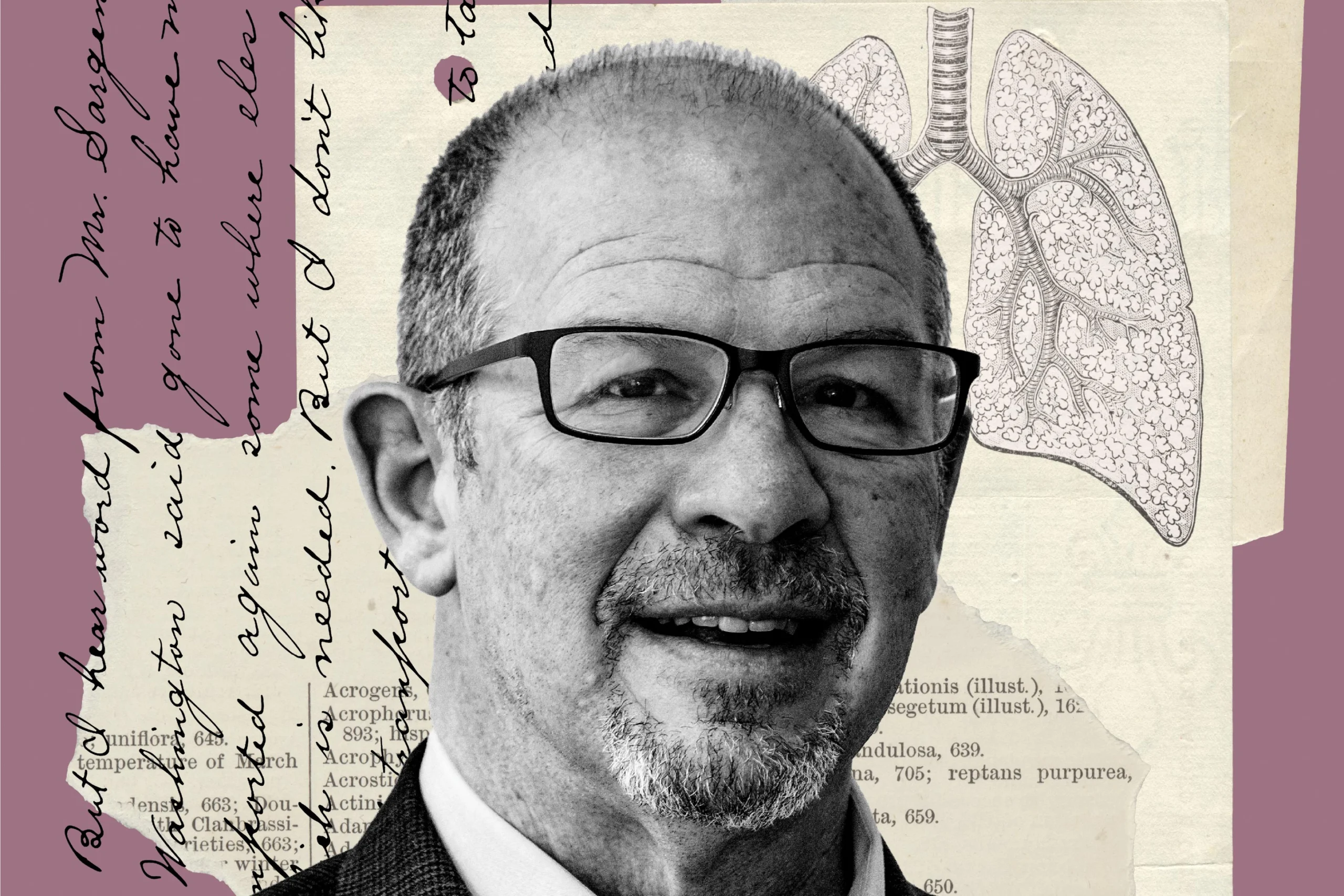
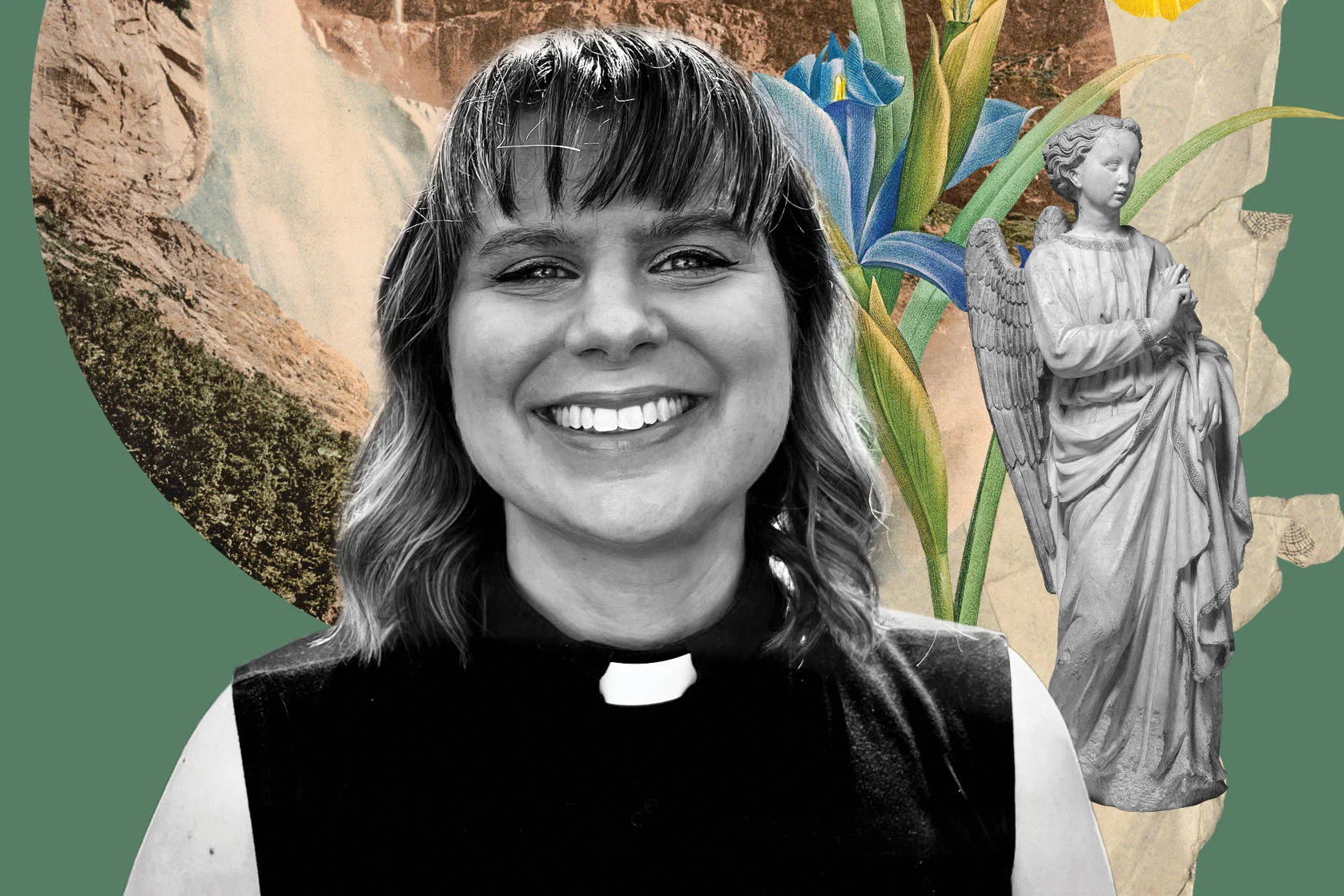
Chicka, an environmental science and religion studies double major at Muhlenberg, is now university chaplain for international students at Boston University.
The Rev. Jessica Chicka, Ph.D. ’05 is a Lutheran pastor, but she supports students of all faith traditions from all over the world in her role at Boston University.
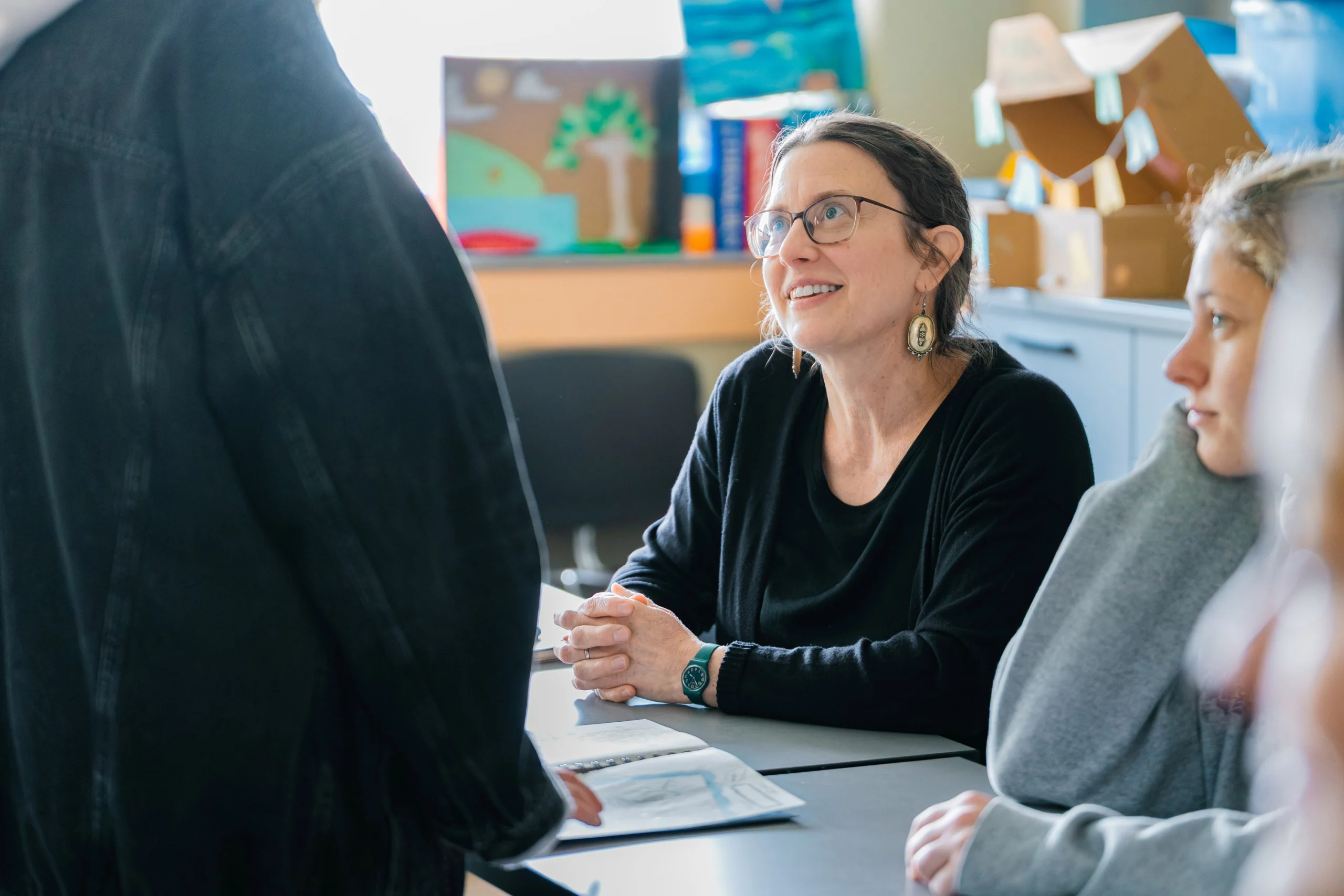
“While my title is university chaplain for international students, that really has defaulted to the chaplain for multi-faith things on our campus,” says Chicka, who began her role in an interim capacity in mid-2015. For example, many of the institution’s international students practice Islam, so Chicka oversees the part-time Muslim chaplains and advocates for Muslim student needs. She helps organize chapel programs, like meals and art nights, that welcome all students, whether they’re religious or not. She also works with the university’s Marsh Fellows, undergraduates from different faith backgrounds who are selected for a year-long internship exploring faith and spirituality.
“That’s been a really rewarding experience, seeing students who feel like they can’t talk about religion with their friends have a place where they can have those kinds of conversations,” she says.
“The [religion studies] professor that I had at the time approached me about halfway through the semester and said, ‘You know, you’re very good at this — have you considered majoring or minoring in religion?’ It’s nice to have someone approach you and tell you that you’re good at something.”
—The Rev. Jessica Chicka, Ph.D. ’05
Chicka always had a place to have religious conversations: Growing up, her father was a Lutheran pastor. She came to Muhlenberg eager to leave the frequent faith talk behind. As a first-year student in her first semester, Chicka signed up for a religion studies course to fulfill her religion requirement and get it out of the way.
“The professor that I had at the time approached me about halfway through the semester and said, ‘You know, you’re very good at this — have you considered majoring or minoring in religion?’” Chicka says. “It’s nice to have someone approach you and tell you that you’re good at something.”
She was most interested in science, but she signed up for another religion course because she enjoyed the first one. As she explored different disciplines, she came upon environmental science.
“That major was so interdisciplinary — political science and history plus chemistry and physics and biology and ecology,” she says. “I didn’t really see any connection between [religion and environmental science] when I started majoring in both of them.”
That changed during her senior year, when she chose to write her religion studies thesis on theodicy, or “the question of why does God let terrible things happen,” she says. She found that certain sects of Hindus considered the land itself in India to be one of the goddesses and, therefore, worthy of protection. She wanted to explore other ways in which ecology and environmental science connected to religion, ethics, and personal values, and she found Boston University’s graduate programs. She earned a master’s in philosophy, theology, and ethics before pursuing a master’s and then a doctorate in ecological and social ethics.
Her professional career at the institution began in 2012 when she was a Ph.D. student, as a quarter-time Lutheran campus minister. She discovered a passion for working with students, encouraging their religious and personal growth and supporting them in their most difficult times. She stepped into her current role more than a decade ago and was ordained as a minister in September 2021. She brings her environmental consciousness into her preaching and programming, especially during Earth Month, and serves as a sustainability liaison for the university.
“Working with young adults, it’s such an interesting time during students’ development,” she says. “That’s really the best part of my job, that I get to walk alongside people as they become their own person.”
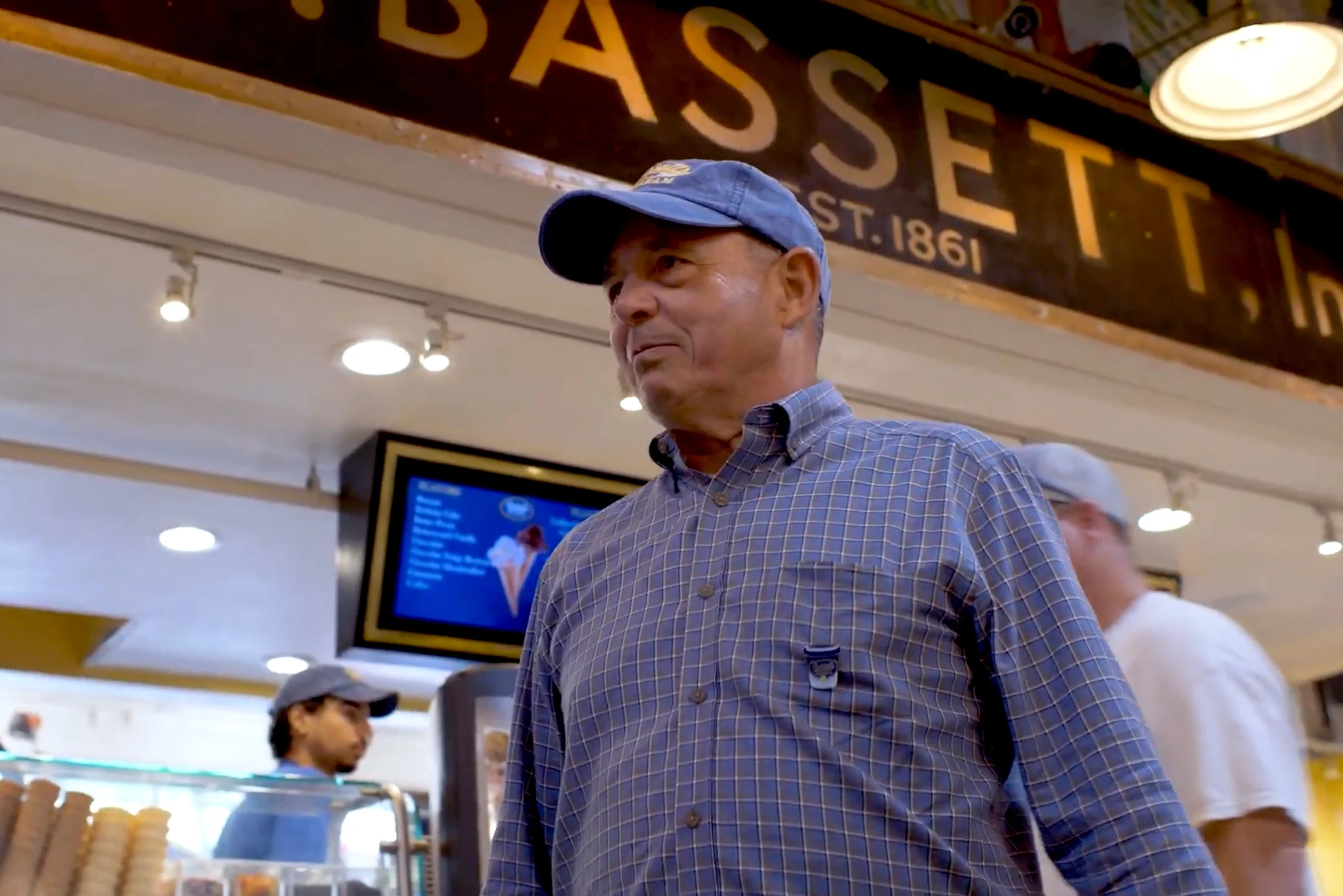
Strange, an accounting and business administration major at Muhlenberg, is CEO of Bassetts Ice Cream, the business that was started by his great-great-grandfather.