Read the news or open social media and you’re likely to see an “expert,” an influencer, or a tech CEO claiming that they’ve found the secret to longevity. Maybe it’s eating only one meal a day or sweating out “toxins” in a sauna or taking some protocol of expensive supplements. While some of these “biohacks” are new, seeking ways to live longer is not. Ancient Greeks thought about this, as did the Romans. People throughout history have looked for the fountain of youth because we humans have an expiration date.
What the ancient Greeks and Romans didn’t have was extensive scientific research on what actually works to extend not only lifespan but healthspan — the years in which you are living your life without being limited by chronic disease. Today, we know that most chronic illnesses share similar root causes that are all tied to metabolic health (or lack thereof). People who are metabolically healthy have bodies that efficiently convert food into energy. When your body doesn’t do that, it puts you at greater risk for chronic disease (including diabetes, heart disease, cancer, and dementia) and death.
“People who are metabolically healthy have bodies that efficiently convert food into energy. When your body doesn’t do that, it puts you at greater risk for chronic disease (including diabetes, heart disease, cancer, and dementia) and death.”
Lab testing lets doctors find markers of metabolic trouble before a patient has developed chronic disease, but not all providers are proactive about the results. Training in the U.S. tends to prepare doctors to be more reactive — to prescribe a drug to treat a disease that’s already developed.
Take hemoglobin A1C, a measure of the average amount of sugar in your blood over time, as an example. Labs determine their range of what’s normal for any given test based on an average range of values found in the American population. When you’ve got a largely unhealthy population, normal may be average, but it’s not healthy. A score of 5.7% or higher might be read by the lab as “normal,” but it would be a signal to us to intervene with lifestyle changes right away to prevent progression toward diabetes.
Everyone knows the most common interventions for a healthier, longer life — improving your diet and getting more physical activity. If they were easy, everyone would do them. Humans evolved in an environment in which we had to move to find food and we had to rest to conserve energy until it was time to find more food. Now that we have grocery stores and cars, finding food and conserving energy are both exponentially easier. However, we haven’t lost the evolutionary pressure to rest when we don’t need to exert ourselves, one of many evolutionary mismatches that have not been kind to the trajectory of human health in modernity.
Eating a diet rich in whole foods, mostly plants, begins by asking yourself what you can add to your diet to make it better. Maybe that’s starting lunch and dinner with a salad or snacking on fruit before you have something else. And if you don’t buy your favorite ultra-processed snack at the grocery store, you can’t accidentally binge on it at home. The goal is to make it easier to make healthy choices. Same with exercise — patients should begin with a goal that’s easy to achieve even on the hardest days. Walking for 10 minutes daily to build consistency and confidence is a great place to start.
“Humans evolved in an environment in which we had to move to find food and we had to rest to conserve energy until it was time to find more food. Now that we have grocery stores and cars, finding food and conserving energy are both exponentially easier.”
Being physically active factors into the next pillar of a healthy lifestyle: managing stress. If you find a way to move your body that you enjoy, it can help you decompress after a tough day. Meditation works too, or even simple breathing exercises. Some stress is inevitable, but avoiding optional stressors (cable news, for example, or social media) benefits your health and well-being. Cognitive inflammation is just as bad for us as systemic inflammation associated with chronic diseases. Finding strategies to manage stress makes it easier to uphold another healthy lifestyle pillar: avoidance of risky substances. You might feel less inclined to reach for a second or third glass of wine with dinner if you’ve already worked through the day’s stress some other way.
Exercise, managing stress, and limiting alcohol all support another key to health: restorative sleep. Some of us wear not sleeping enough as a badge of honor, but getting enough quality sleep is a huge longevity hack. It not only makes us feel better; it’s critical to adaptation and healing from exercise, as well as a functioning immune system. One study compared people who got less than six hours of sleep each night in the week leading up to their flu shot to people who got more than six hours. Those who slept less had a 50% lower antibody response. The human body loves things to stay the same, so going to sleep and waking up at the same time each day is the easiest way to develop a healthy sleep habit.
Finally, social engagement and connection supports health and longevity. People are wired for connection, and chronic loneliness has the same mortality risk as smoking 15 cigarettes a day. We’re not more connected by social media because, for some people, it has replaced seeing their friends in real life. They’re sending a thumbs-up on a birthday instead of making a phone call. These tech companies are demanding our attention, but we have agency. We can choose to prioritize interactions with people over interactions with screens.
“One of our mentors liked to say, ‘I know I’m going to die from something. I just don’t want it to be my fault.’ Realizing that we do have some amount of control over the life we have left in our years can be empowering. ”
This kind of knowledge isn’t the only thing people need to make meaningful lifestyle changes. They also need to have the right attitude. One of our mentors liked to say, “I know I’m going to die from something. I just don’t want it to be my fault.” Realizing that we do have some amount of control over the life we have left in our years can be empowering. Patients also need to find internal motivation. Some want to get off their medication. Others want to be able to continue doing the activities they enjoy, whether that’s running marathons or playing with their children or grandchildren. Finding your “why” will help you succeed.
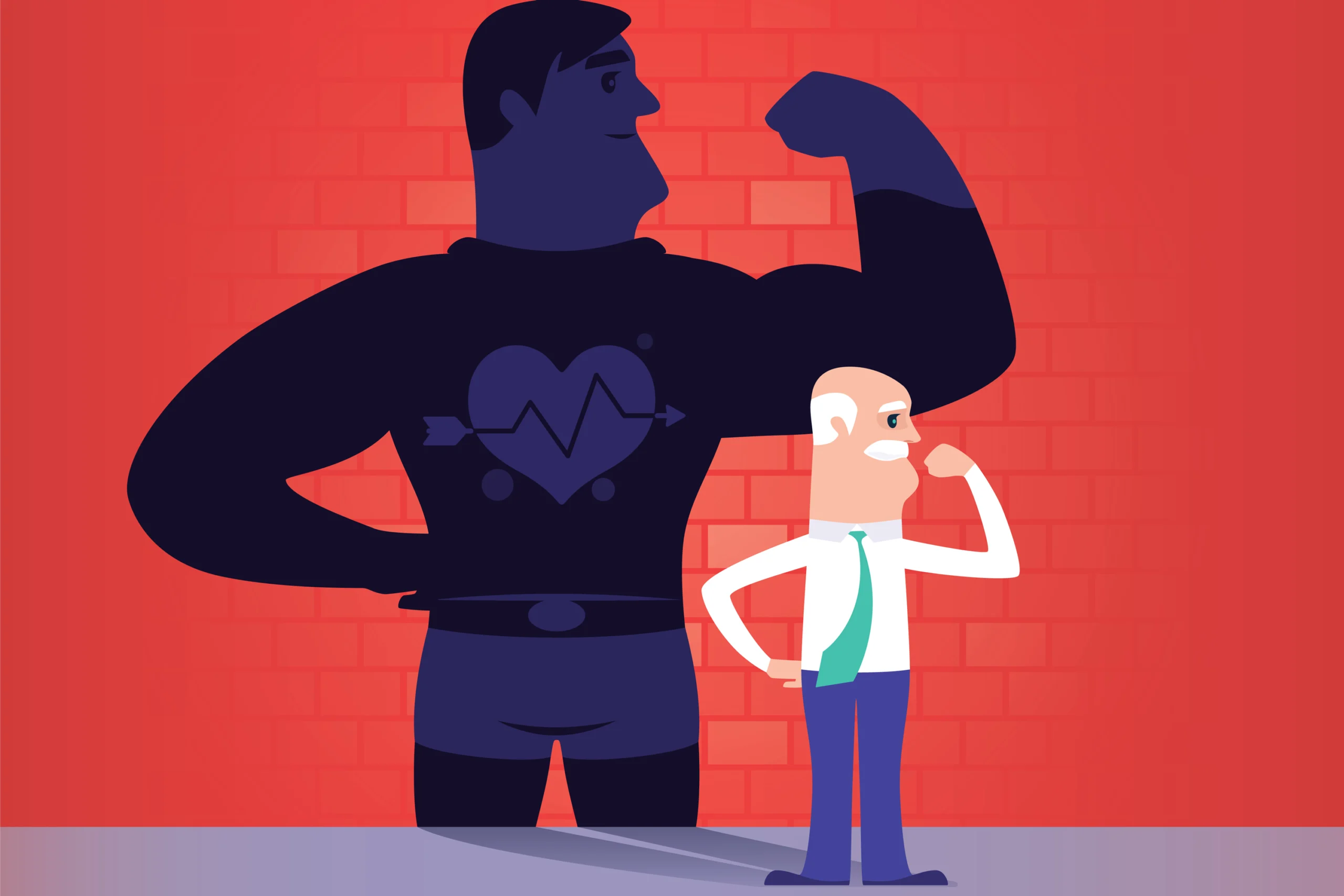
At the end of the day, longevity comes down to a focus on the basics — diet, exercise, sleep, stress management, social connection, and avoiding harmful substances. People want a shortcut, but there are no shortcuts to a long, healthy life.
Howard J. Luks, M.D. ’85 is an orthopedic surgeon in Dobbs Ferry, New York, and the author of “Longevity… Simplified: Living A Longer, Healthier Life Shouldn’t Be Complicated.” Brad Moore, M.D. ’85 is executive director of lifestyle medicine and healthy longevity at Complete Concierge Care in Washington, D.C.
Strange, an accounting and business administration major at Muhlenberg, is CEO of Bassetts Ice Cream, the business that was started by his great-great-grandfather.