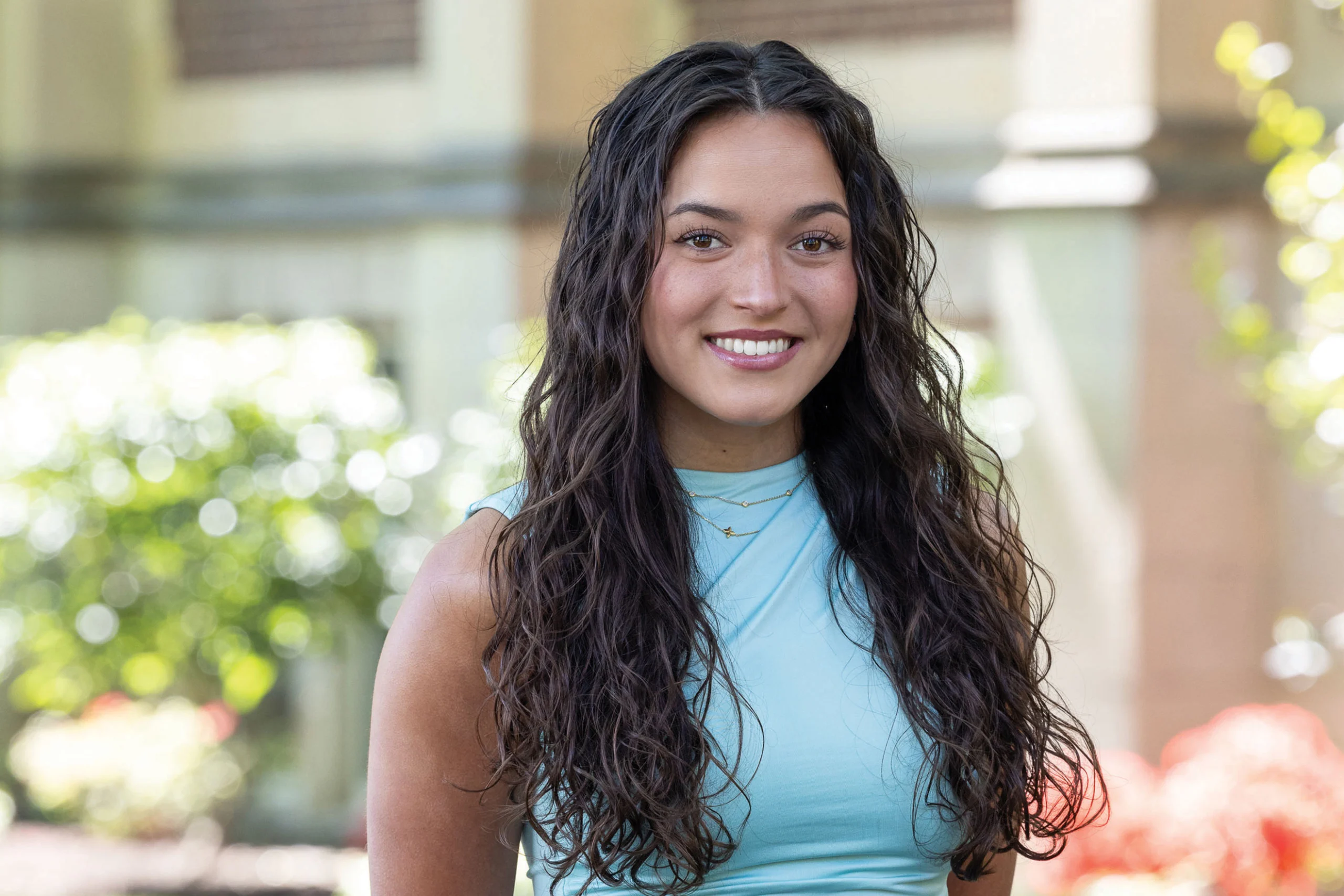
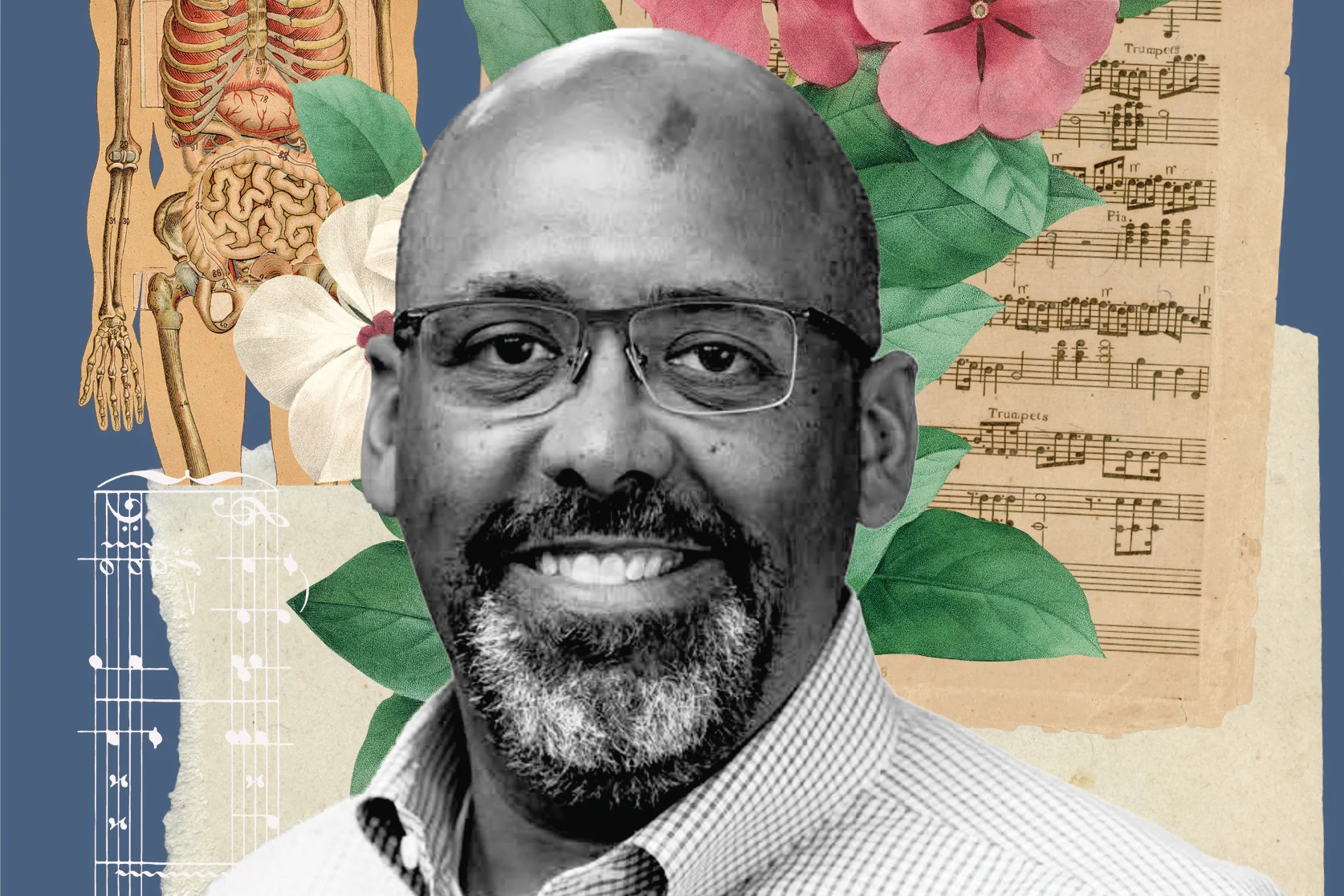
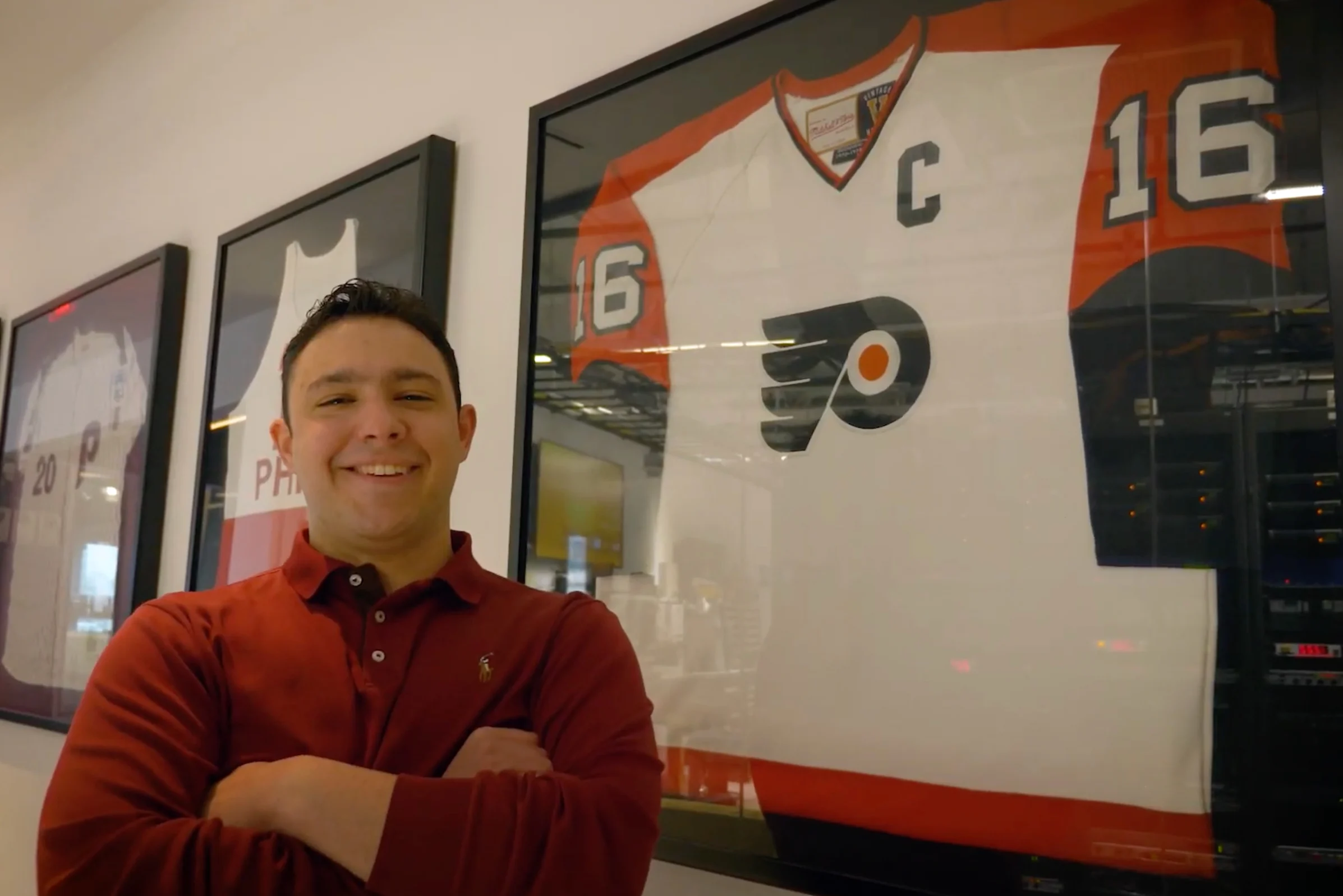
Like so many others, Jose-Luis Riera, Ph.D. ’99 came to Muhlenberg intending to become a doctor. As a sophomore, he took organic chemistry (which he loathed) and became a resident advisor (which he loved). He sought out his advisor, Professor of Biology Rich Niesenbaum, for guidance.
“We had this super pivotal conversation,” recalls Riera, who’s now vice president for student life at the University of Delaware. “I loved science, but he said, ‘You’re going to have to do a lot more of it, and it should jazz you — it should get you excited.’” Biology did, but the other pre-med science requirements largely did not.
One of Riera’s other mentors on campus, then-Associate Director of Residential Life Mary Beckwith, saw how much he loved working with the students on his floor and said, “You know, you can do this full-time.” Then, his only question was whether he’d go into student affairs or campus ministry. He chose to drop the pre-med path — though he still conducted biology research with Niesenbaum — and that freed up space in his schedule.
“I knew I could finish my bio major, and I could go up to a music major [from a minor], which totally excited me and jazzed me — no pun intended,” says Riera, who played the trumpet but whose major centered in music history.
As a senior, Riera interned with the Office of Admissions, helping to plan and execute that year’s Through the Red Doors admitted student event. Beckwith recommended graduate school programs to which he could apply, and he went on to earn a master’s degree in higher education student affairs from Colorado State University. He spent a year doing campus ministry then spent four in residence life at Drexel University before pursuing a Ph.D. in college student personnel administration from the University of Maryland.
“The cool thing about being on a college campus is that I get to live vicariously through our faculty and our students and all the amazing things they’re doing, which is super fun.”
—Jose-Luis Riera, Ph.D. ’99
He’s been at the University of Delaware since 2010, where his role overseeing all things student life might seem unrelated to his studies at Muhlenberg. However, Riera says, “There is an art and a science to education, and both are vitally important.” In his role, he makes data-driven decisions about policies and programming (the science) and he helps facilitate the relationships and communities that make college such a powerful experience (the art).
“The only frustrating thing is that I have passions and interests that I feel like will never be fulfilled,” he says. “For example, I want to be a better musician, but I don’t have the time or the space to do that. … The cool thing about being on a college campus is that I get to live vicariously through our faculty and our students and all the amazing things they’re doing, which is super fun.”
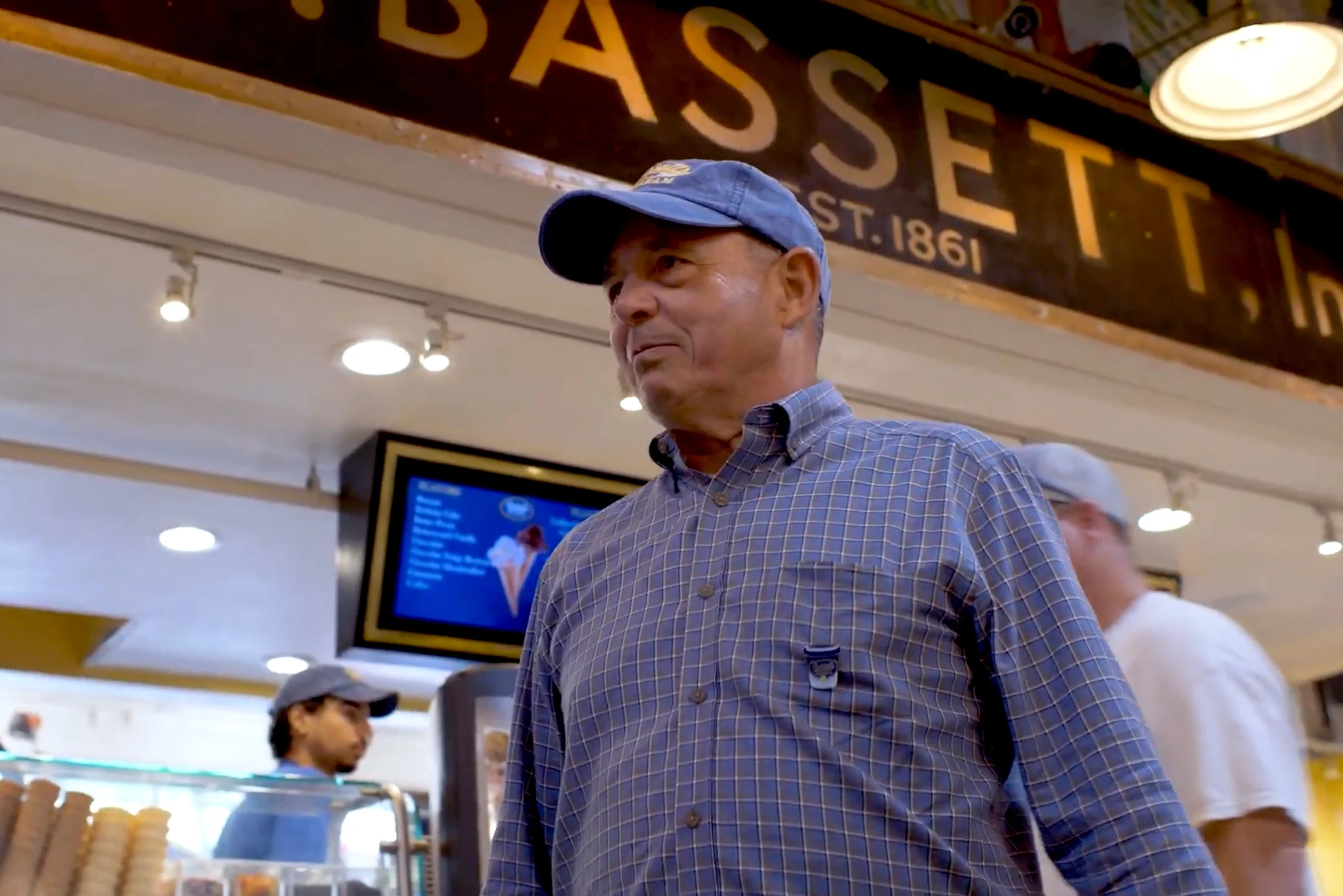
Strange, an accounting and business administration major at Muhlenberg, is CEO of Bassetts Ice Cream, the business that was started by his great-great-grandfather.