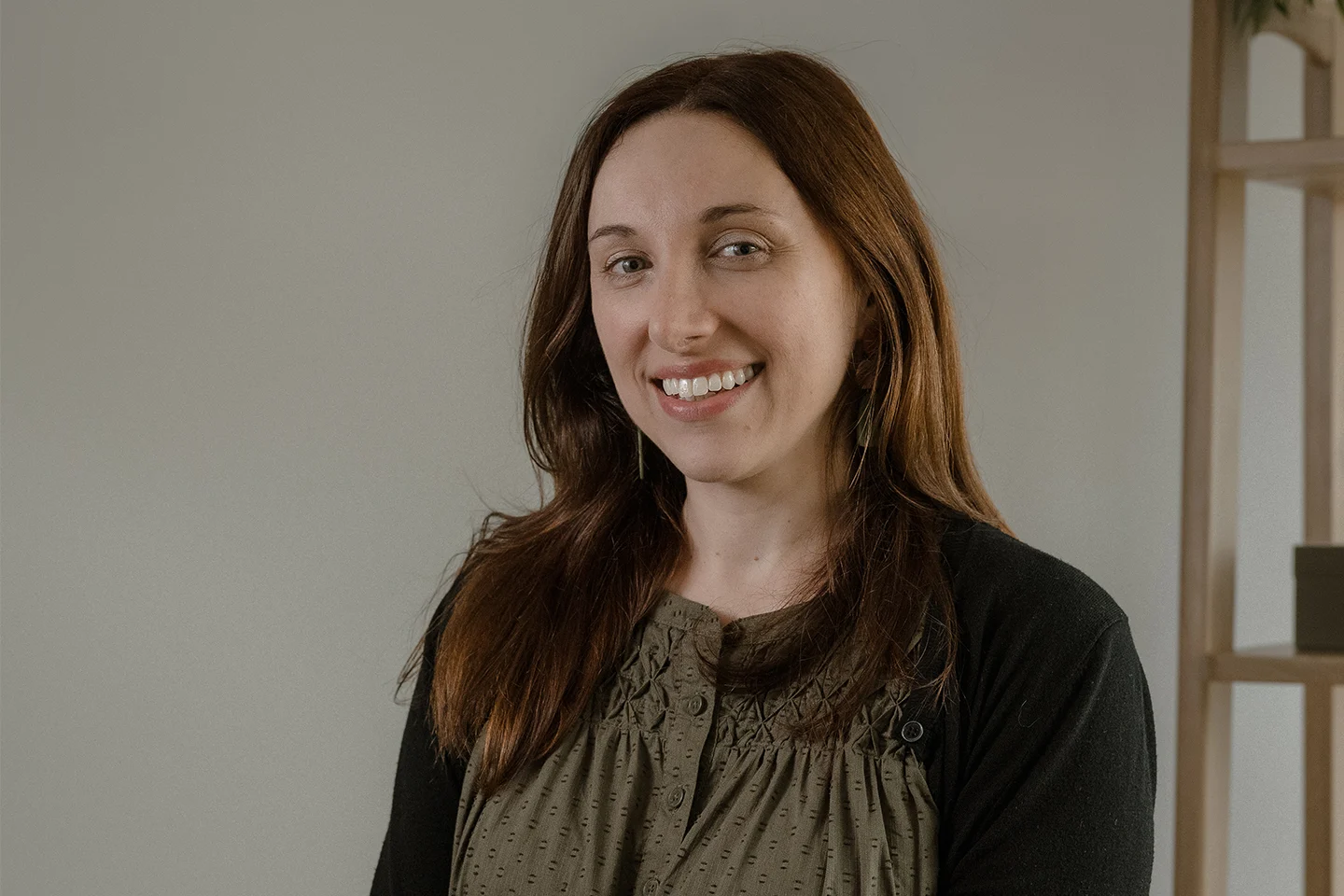
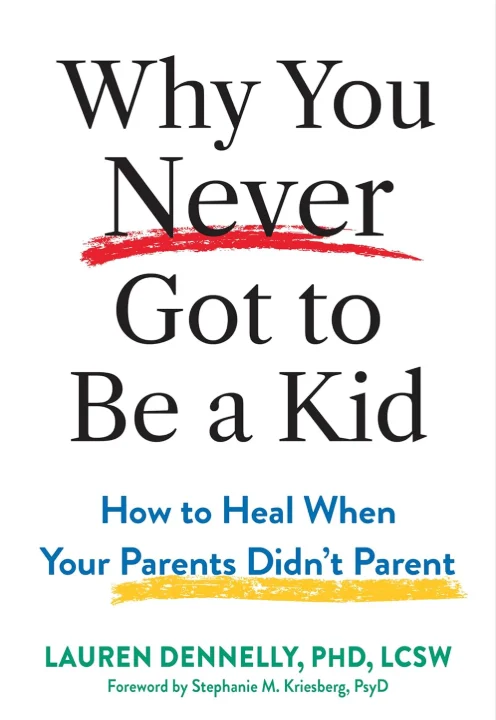
Social worker Lauren Dennelly ’06 wrote a self-help book for adults who are dealing with the lasting effects of having to take on developmentally inappropriate roles as children.
After finishing a Ph.D. in social work at Bryn Mawr College, Lauren Dennelly ’06 began writing for the website Psychology Today. Her very first post, “Parentified Children and Emotional Labor,” reflected a phenomenon she’d seen frequently among her adult patients: the aftereffects of childhoods where they were forced to “take on developmentally inappropriate roles that were beyond their scope,” she explains. The post attracted the attention of New Harbinger Publications, a well-known publisher in the psychology and self-help space.
“When you get your doctorate, you get a lot of predatory journals that send you random emails, and I thought, ‘is this spam?’” says Dennelly, who was a psychology major with minors in English and women’s and gender studies at Muhlenberg. “Then I looked up the publisher and I was like, ‘Oh my god, I have these books.’ They’re all books that clinicians use.”
Muhlenberg Magazine: How did your time at Muhlenberg shape your journey into clinical work and writing?
Lauren Dennelly ’06: It gave me a really strong foundation in psychology. It’s a really excellent program, and I have at least one professor I continue to stay in touch with after all these years. That foundational knowledge really came in handy when I was in graduate school and when I got out into the working world. In terms of writing, I learned at Muhlenberg that you have to be discerning about your work and look at it with a critical eye. Good writing is really editing and revising again and again.
MM: What were the most challenging and rewarding parts of writing this book?
LD: The most challenging chapters were actually the child development chapters. Trying to synthesize what typical child development looks like to a popular audience is difficult. I had to make sure it was accessible and connected to the topic without coming across as too academic or turning readers away. The most rewarding to write was the skills-based chapter. Toward the end of the book, we talk about, “Okay, now what? What do you do now?” There’s a lot in that chapter that I think will benefit people.
“Probably the number one thing I’ve heard from people in the wild when I tell them about the book is, ‘Oh, that’s me.’ You might never know that had you not started the conversation. I hope they feel less alone and have some sense of how to move forward from these experiences.”
MM: What do you hope readers take away from the book when it’s released?
LD: I hope it generates conversation. Probably the number one thing I’ve heard from people in the wild when I tell them about the book is, “Oh, that’s me.” You might never know that had you not started the conversation. I hope they feel less alone and have some sense of how to move forward from these experiences.
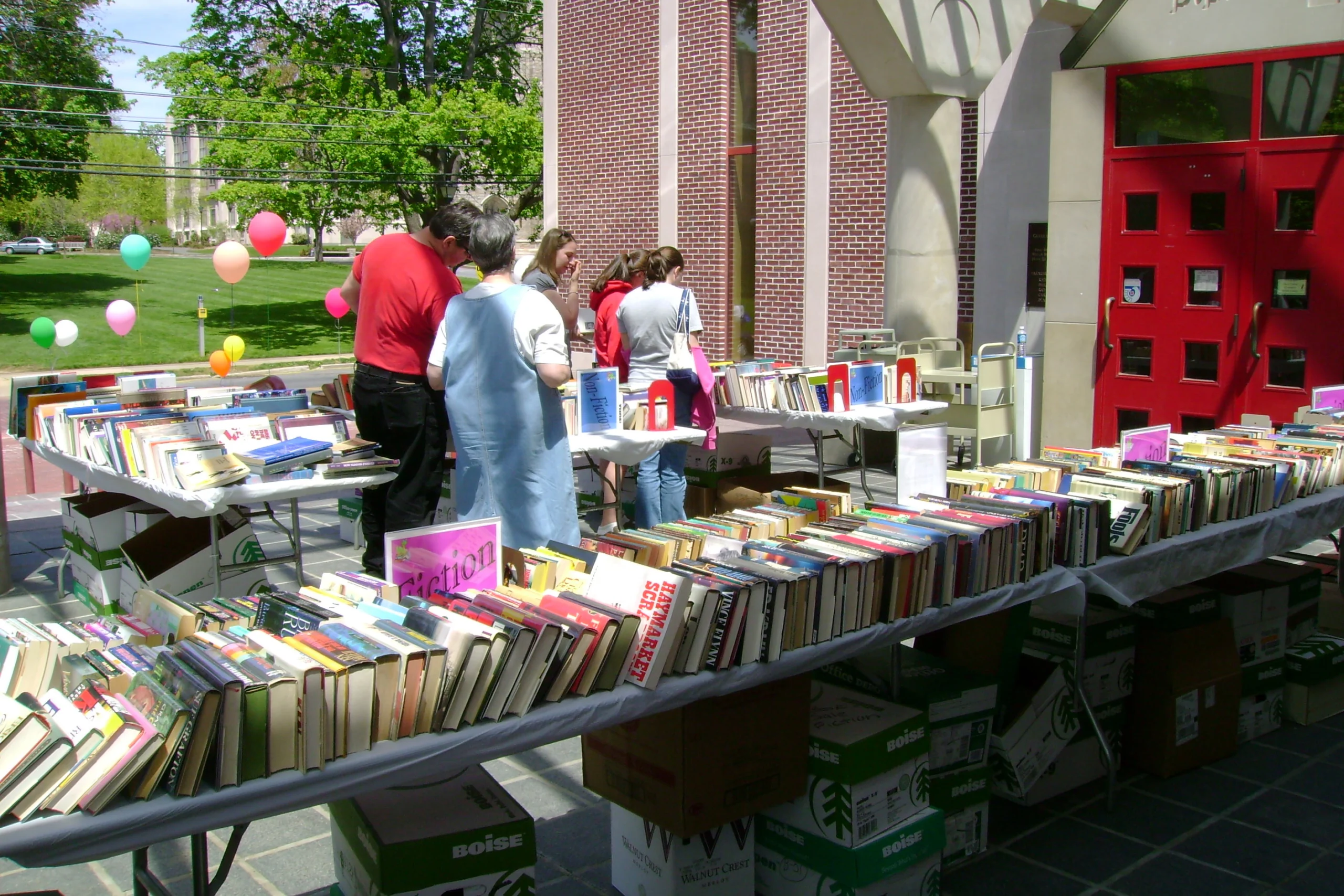
The sale, which has been going on since at least 1996, gives unwanted books new life and provides a valuable service to the campus and local communities. This year’s sale takes place May 1.
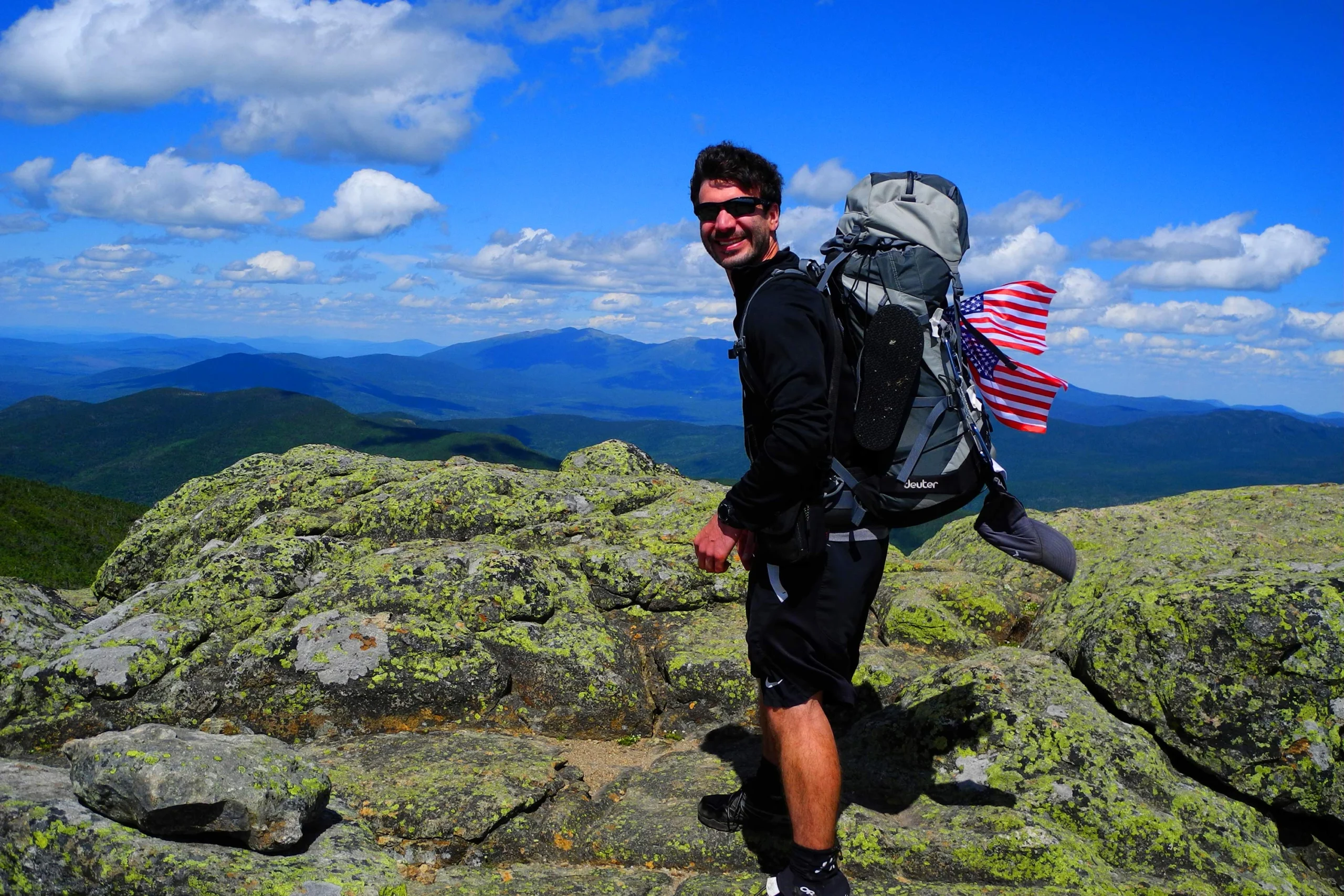
A pair of Muhlenberg coaches introduced Raymond “Randy” Salani III ’07 to the Appalachian Trail. Now, he’s published two photography books about the iconic route, with two more in the pipeline about Wyoming’s Teton Range.